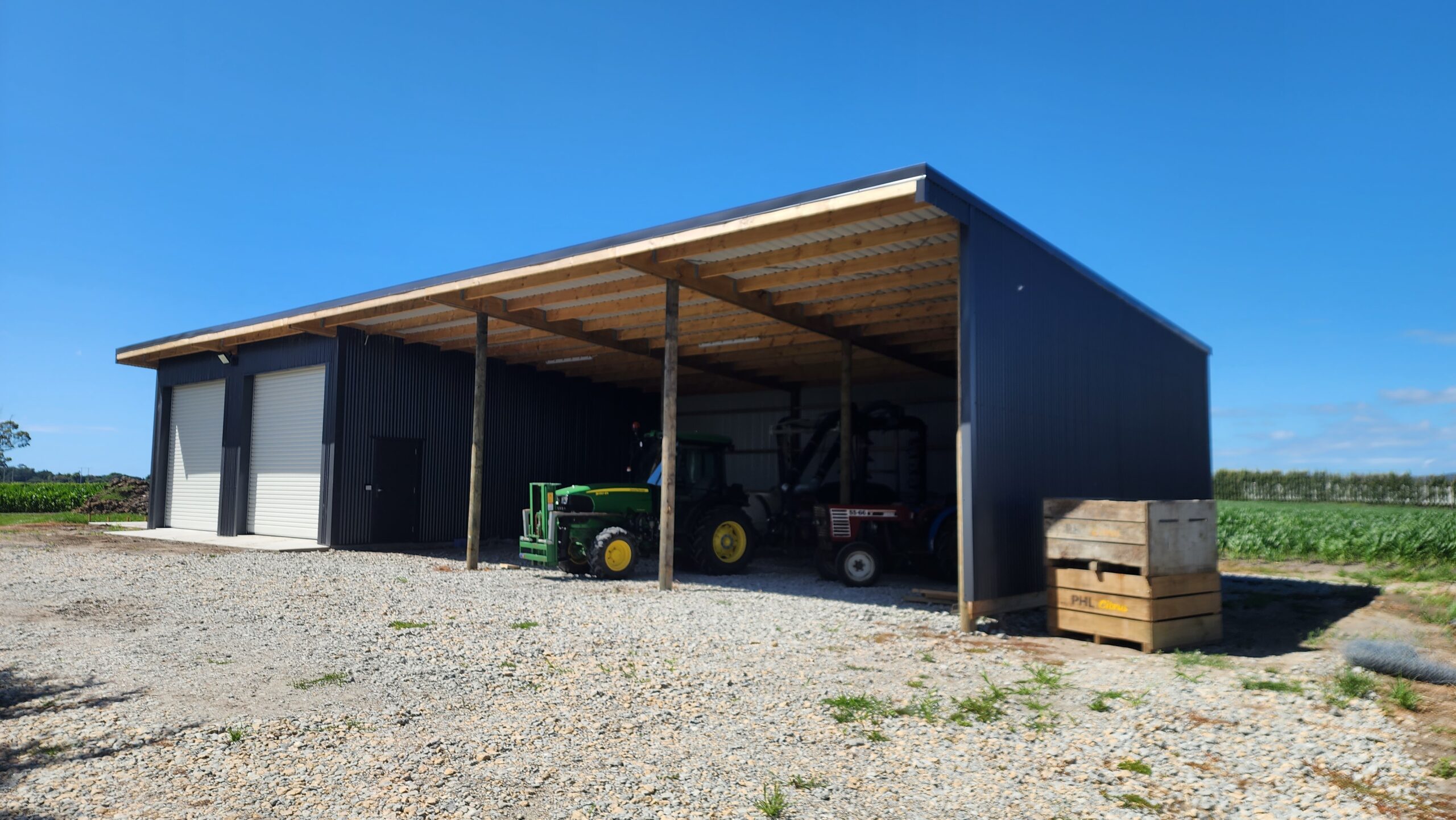
How much should I budget for?
When you first sit down to start planning your shed, one of the first questions you’ll ask yourself is ‘how much is this going to cost me’?
There’s a heap of stuff to think about – let’s take a look at a few.
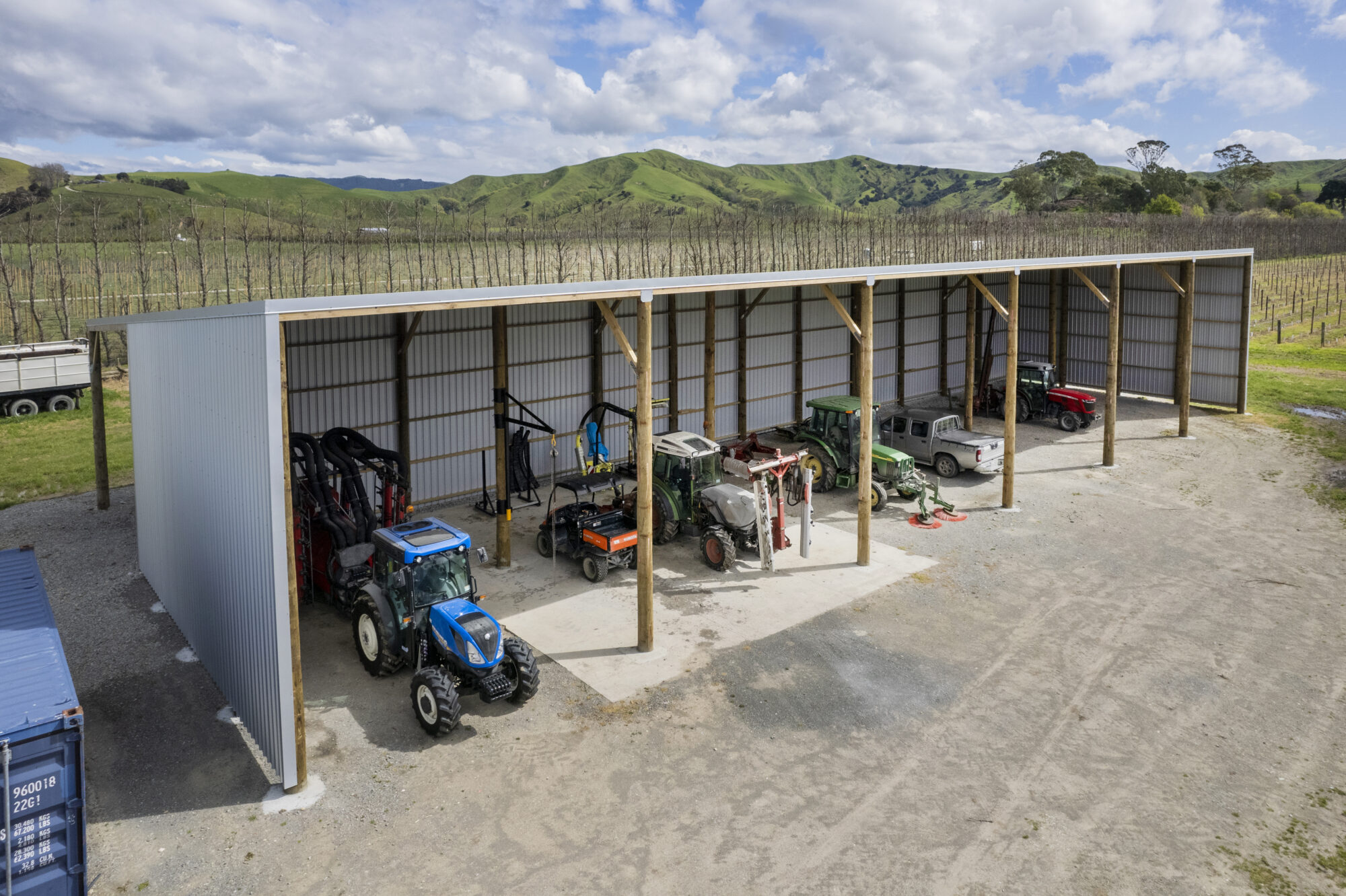
Centre pole or clearspan?
For a start, a centre pole shed is almost always cheaper than a clearspan building. Whether you go this route or not usually depends on what you want to use the shed for. If you need an open, unobstructed workshop area or space for storing vehicles and/or implements, centre poles – while saving money – will cause generally cause more trouble than they’re worth.
They considerably limit the usable space inside a shed and can slow down productivity significantly. They’re also a hazard when moving vehicles because hitting one will damage vehicles and equipment, as well as the shed itself.
A clearspan shed typically costs more because standard timber can only span a maximum of 6m. Wider than that, and a stronger rafter like LVL laminated timber beams or steel rafter system is called for, and these cost more money.
When the timber centre pole is replaced with an LVL timber beam or steel rafter, the pole’s diameter may need to be increased to meet engineering requirements—resulting in higher costs.
Talk to us anytime about what your shed needs to do to meet your needs – we have years of experience that you can tap into!

Door size and motors
The cost of a roller door, especially a motorised one, can add quite a chunk to the bill. While a standard 3m x 3m Series 1 roller door is your most cost-effective option, these doors are relatively lightweight and limited to a maximum size of 3.2m x 3.2m.
Series 2 doors are light industrial-grade and at typically 3-4m wide and up to 4.7m high, are the most commonly used.
Any bigger than that, and you’ll need a roller shutter door. These heavy-duty, industrial-grade doors offer premium durability and security for your shed. They may cost more, but they’re top quality and allow your building to have significantly bigger openings.
Costs vary depending on the size, but you can roughly budget at:
Series 1: Approx. $1,800 + GST / door.
Series 2: Approx. $3,500 + GST/ door.
Roller Shutter: Approx. $4,500 + GST/ door.
Standard roller door motors range from $800 to $1,000+ GST a door, and industrial motors start from $1305 + GST.
We use the HIRO™ GDO-12 Heavy Duty Electric Opener for Industrial Doors. Its features include Soft Start & Soft Close and LED Automatic Lights. It has a 2 Year 10,000 Cycle warranty and comes with 1 x Wireless Wall Button and 2 x Premium Trio-Code 128 Remote Controls.
Hiro™ is the ideal choice because it delivers extraordinary power while its compact design allows it to be used in tight spaces.
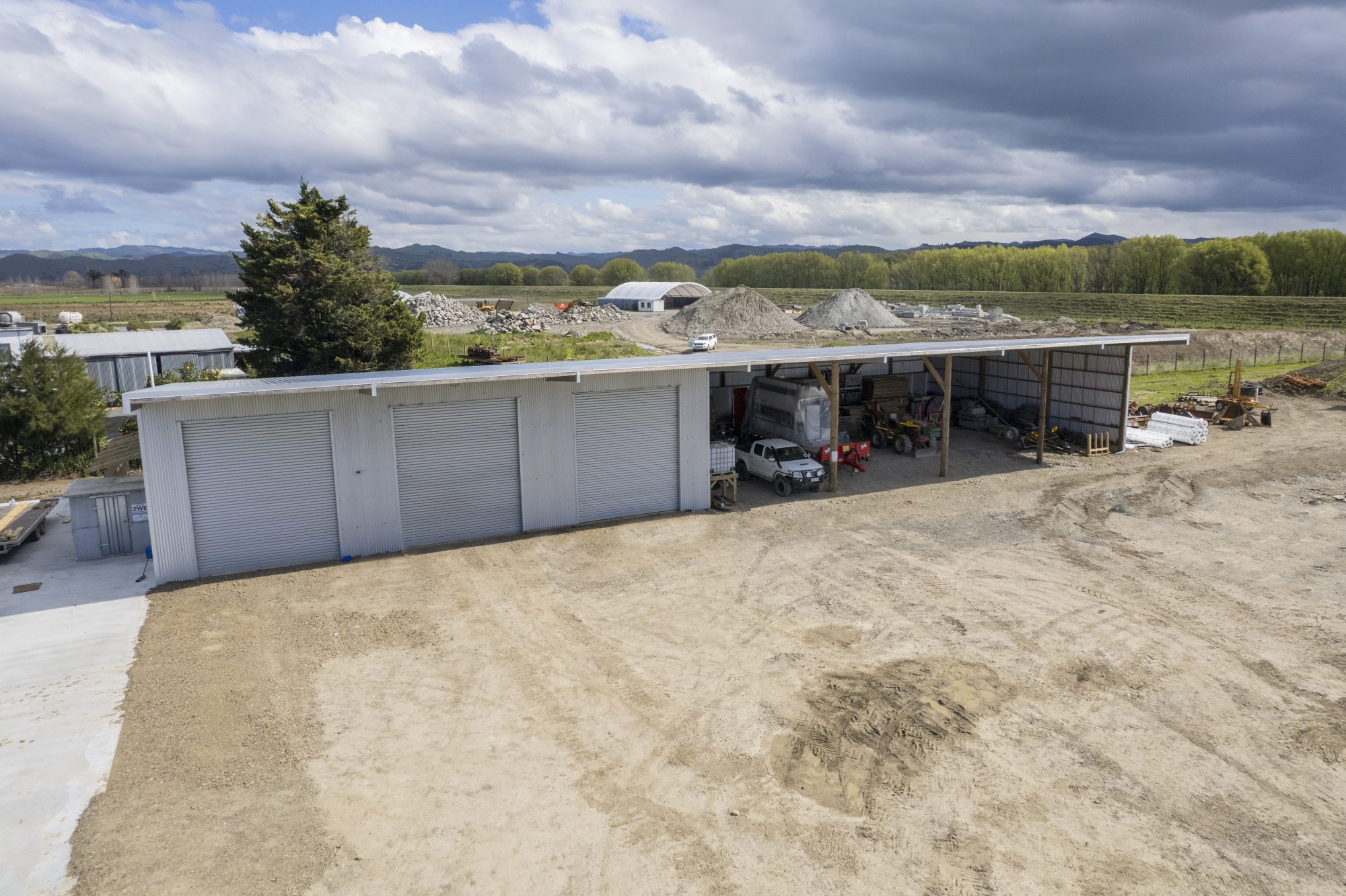
Zinc v Coloursteel
Choosing the look of your shed can have a real impact on overall price.
Zinc iron is by far the most cost-effective cladding, but it’s more utilitarian than attractive, and some don’t like it, especially if the shed is close to their home.
Coloured steel is available in a range of colours to suit all tastes and will unquestionably improve the aesthetics of any building and usually coats around 12-15% more than zinc.
Any shed closer than 500m to the coast or an estuary needs suitable cladding suited to because the salt and wind are corrosive, which may shorten your shed’s lifespan.
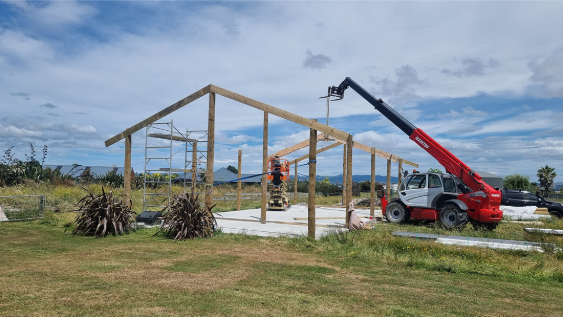
Concrete Pad
The thickness of your concrete floor depends on what you’re keeping in your shed. In most cases, a 100mm thick floor is good for cars and small tractors. For larger tractors, implements, and trucks, a 150mm floor is recommended to handle their extra mass.
Costs naturally increase for thicker floors because more concrete is poured, and heavier grade mesh is needed. Placing costs will also go up and prep work might take longer because more bracing might be needed for the boxing.
A 100mm floor costs around $130.00+GST per M2, while a 150mm placed floor can be up to $150.00+GST per M2. If you’re building a big shed, this can escalate costs quite quickly!

Wind & Snow loadings
If you are building on a site with high snow and/or wind loadings, the whole building needs to be strengthened to allow for additional weight and pressure.
Loadings vary from location to location, as do engineering requirements. Sometimes, strengthening is as easy as adding more strap bracing, which is inexpensive.
In other cases, the size of the rafters and framing needs to be increased, while the spacings between purlins and girts may need to be reduced. In extreme wind and snow-prone areas, the size of the bays will also need to be reduced, requiring more steel rafters, purlins, girts, and poles all of which escalates costs.
Reducing bay size also means the timber needs to be cut down, creating more wastage. These changes can also extend the build, resulting in higher labour costs.
In our experience, building in high snow and wind-prone locations usually adds between 5% – 20% as compared to a similar-sized kitset pole shed on a site with standard loadings.
As you can tell by now, there’s a lot to think about and no one-size-fits-all solution! Each SHEDS4U kitset is designed and customised to suit your unique needs, the location and your site, meaning costs vary.
The best way to get a price for your project is to get in touch with our team today. Our experience and knowledge will make a real difference!
Prices correct at time of writing – please check with us for current pricing.