Regional or Local Council?
Let’s say you’ve found the ideal site for your intended commercial or industrial premises; your loans are sorted out and can’t wait to start building.
Now it’s time for the approval process, and suddenly you’re looking at regulation after regulation. Which council is in charge and who there should you talk to? What permits do you need, and how long do they take to get? How do you make sure that your development complies with all the seemingly endless rules?
If you’re asking yourself some or any of these questions, this blog is for you, because it’ll shed some light on how to better understand the roles regional and local councils play in the process, and see how to steer yourself through their requirements both cost- and time-effectively.
It’s important to understand the different roles that regional and local councils have, because it’ll help you get through the system faster.

Regional Councils
Regional councils guard the environment and focus on the management of natural resources and environmental protection. Their authority usually spans large areas across several districts.
If your project will have any sort of environmental impact, such as water use or emissions, you’ll often be working with a regional council.
Key responsibilities that could affect your business include:
Water management
Regional councils are the custodians of New Zealand’s water. They oversee and regulate the quality and allocation of freshwater resources, to make sure they’re sustainable. Regional councils impose strict controls on water usage to ensure water quality. If your project involves the use of, or will impact on water resources, you’ll need to comply with regional council regulations.
Air quality and pollution control
Regional councils monitor air quality and control emissions to help protect public health. If your business plans include practises that could impair air quality, understanding the regional council’s air standards is vital for you.
Land use and soil conservation
Regional councils also administer any land use practices that might impact soil conservation and sustainability. For example, Horizons Regional Council has a minimum permitted land disturbance amount, which your construction plans will need to comply with to prevent damage to the environment.
Coastal and marine areas
If your project is in a coastal area, you’ll have to meet and comply with the regional council that manages this environment. Your compliance with any regional coastal plans is essential to avoid costly legal and environmental issues.
Natural hazards
Regional councils also gauge and manage risks such as earthquakes, landslides and floods. Understanding and satisfying regional hazard management plans by complying with them is crucial if your project an area defined as risk prone.

Local councils
Your local council is the custodian of your community and, as such, focusses on the day-to-day infrastructure needs of towns and rural areas. Their responsibilities are far more localised, to make sure that communities run efficiently and safely.
Your local council’s responsibilities that may dovetail with your new business could well include any or all of the following:
District and local planning
Local councils are responsible for land use planning and zoning within their areas to align with community growth and development. Understanding your local council’s regulations will help you in finding a suitable site for your project and will make sure that you’re compliant from the get-go.
Building consents
When planning a new build, local councils are the primary authority for issuing building consents. They’ll ensure that your proposed building meets safety, design, and environmental standards. Always liaise with your local council to make sure of the requirements! You can find a full list of local councils here.
Maintaining local infrastructure
Your local council maintains roads, bridges, parks, and public spaces. Understanding how this maintenance might have an effect on your project will help avoid disruptions and costly holdups..
Public health and safety
Local councils also govern public health services, waste collection, and safety initiatives. Staying compliant with all of this will means you avoid getting fined and you’ll have a good local reputation.
Community development
Local councils foster community development through cultural, recreational, and social programs. By looking deeper into these factors, you can align your project with local priorities, which will get you community support and even make the approval process faster for you.
Is approval needed from regional and local councils?
That is often the case, because regional councils handle environmental regulations, while local councils manage building codes and land use planning.
Engaging with both entities early in your planning will save you time and make sure you comply with everything. At SHEDS4U, our in-house team who can help with compliance and planning checks to help simplify the process.
What environmental regulations do I need to know about?
Any project that might impact on water, air or soil quality will need to meet regional council requirements. It’s critical to engage with the right consultants or specialists to help you through this process. These consultants can help you prepare detailed environmental impact assessments, especially for industrial projects, to indicate how you will mitigate any negative environmental side-effects.
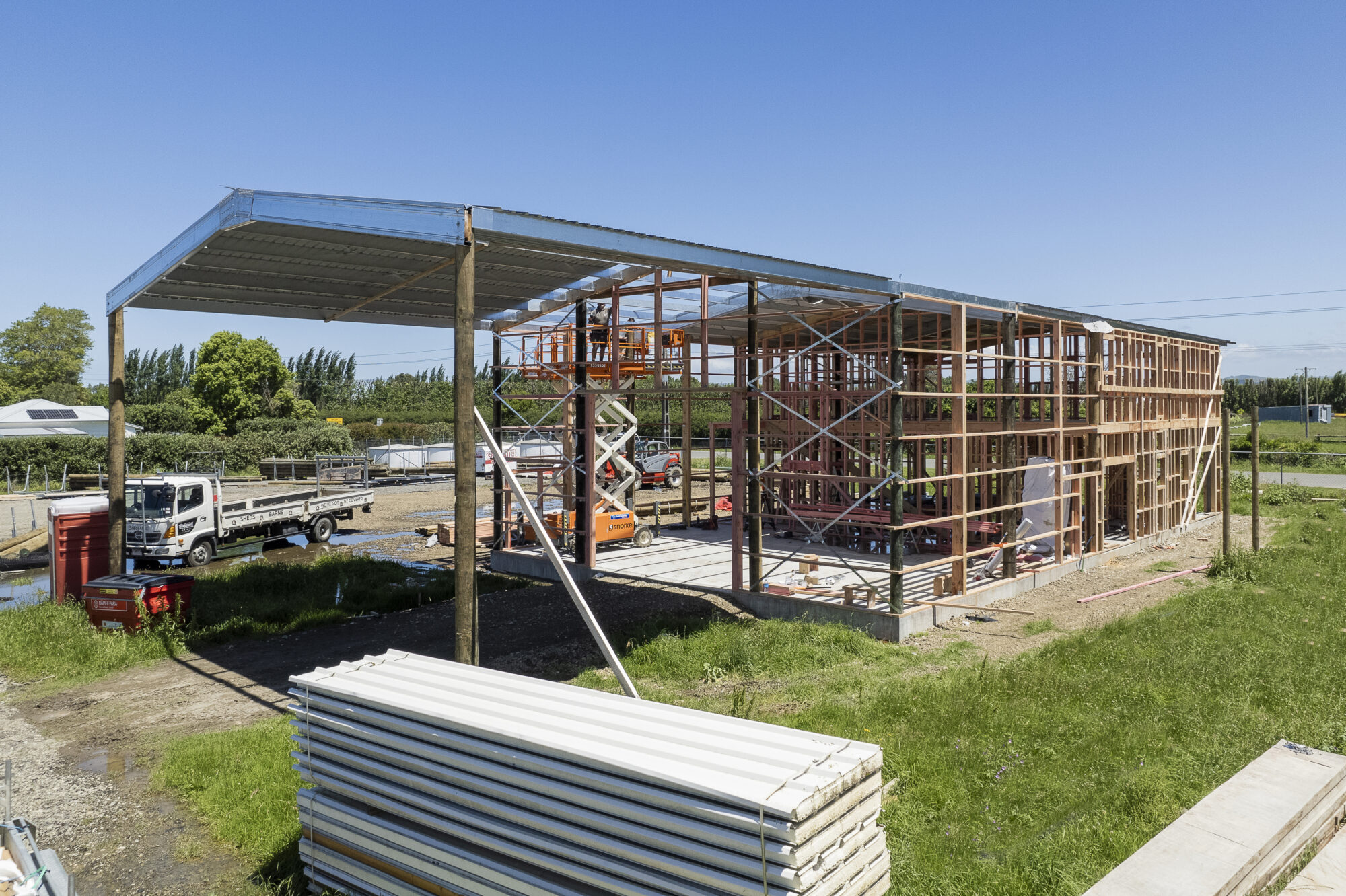
Make sure your building complies with local zoning laws
Local councils provide zoning maps and guidelines. Check on this early to make sure your project is in the correct designated zone, which will help avoid expensive legal procedures and costly building delays.
What is the Resource Management Act (RMA?
Regional and local councils both operate under the RMA, which focuses on the sustainable management of natural and physical resources. Compliance with the RMA is critical to the outcome of your project. Knowing how the RMA affects both regional and local council regulations can help you navigate approvals more smoothly.
Non-compliance with the RMA can lead to significant consequences. This can mean substantial fines and even imprisonment for severe violations. Individuals can be fined up to $300,000, while companies may face fines up to $600,000. When environmental harm is proven, the penalties can escalate, including the potential for imprisonment of up to two years for those responsible. These severe penalties underscore the importance of adhering to all RMA requirements throughout your project to avoid legal issues and ensure sustainable outcomes.
Where do I start?
Start by consulting with both local and regional councils to understand their specific requirements for building and resource consents. While each council has its own process, you’ll need to submit detailed plans and show how your project complies with local bylaws and safety standards.
Handling ongoing compliance
When a resource consent is issued, it includes a list of conditions which need to be met and can be regularly checked up on. Regional councils will monitor environmental impacts, while local councils conduct inspections to ensure your building adheres to safety and design standards.
Be prepared for regular check-ups by staying compliant and avoiding fines!
Keep confident!
Navigating between regional and local councils can be complex, but don’t let that overwhelm you! By understanding their different roles and responsibilities, and engaging with them early on, you can ensure a smoother process for your commercial or industrial building project.
Thorough planning, early consultation as well as understanding and adhering to all these regulations will make a big difference to both your project and your sanity! Never forget that you can tap into our years and years of experience anytime – get in touch today!