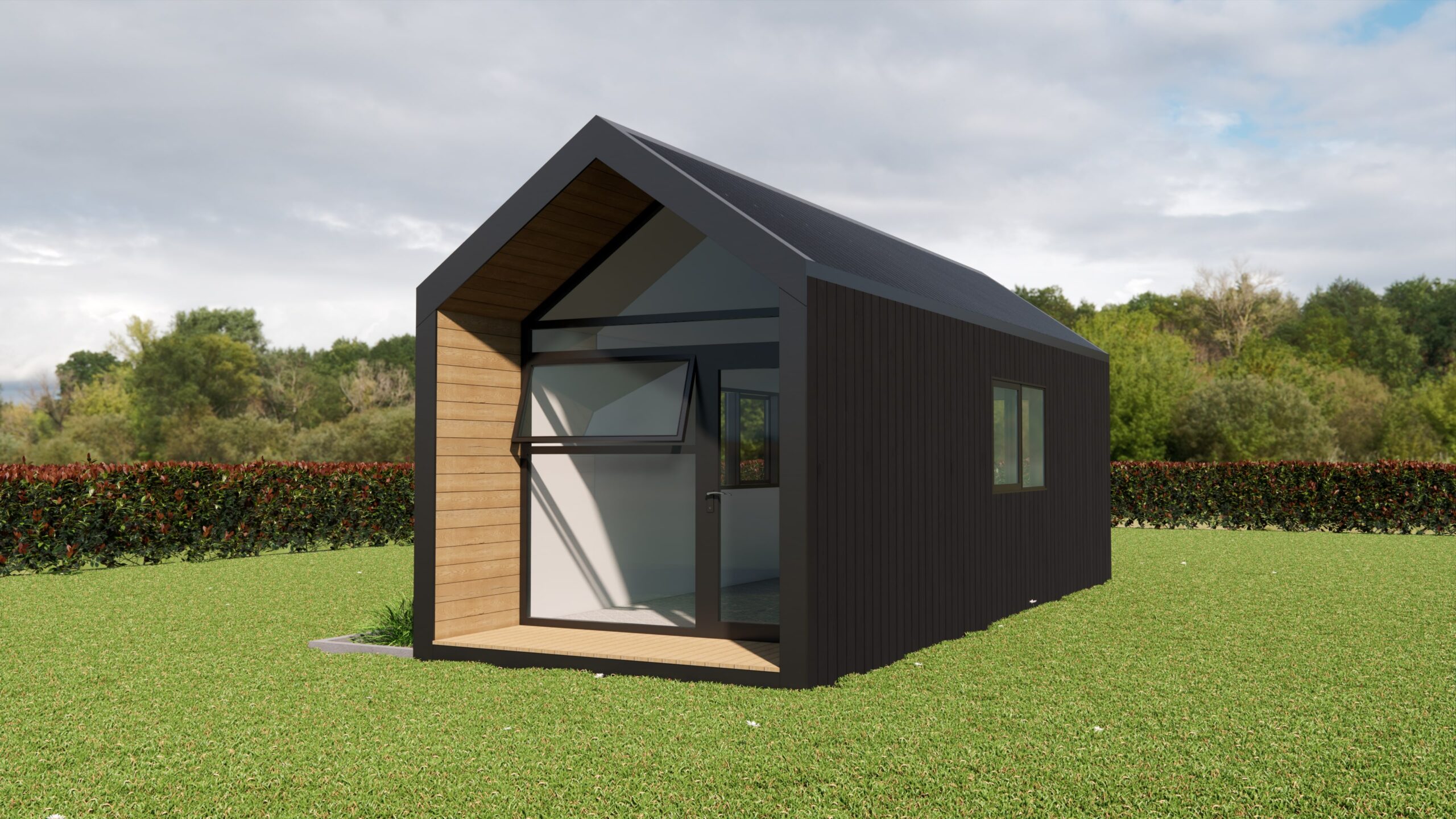
70m2 granny flat rules in New Zealand
What you really need to know
From early 2026, New Zealand homeowners are expected to be able to build a self-contained granny flat of up to 70m² without needing a building consent.
That’s a huge step forward and removes one of the most expensive and time-consuming hurdles.
But be warned! NO consent doesn’t mean “no rules”. Licensed professionals are still required, councils must be notified, and every build must fully comply with the New Zealand Building Code.
Our job is to make the whole process simple – managing planning, paperwork and even construction if you need it, so you can focus on the end result, not the red tape.
What we’ll look at in this blog:
- How the 70m² net floor area rule really works
- Site, height, and boundary rules that often catch people out
- Why DIY builds aren’t permitted under the exemption
- What paperwork is required before construction begins
- The certificates you’re legally responsible for once the build is complete
- How to plan ahead now so you’re ready when the rules kick in during 2026
What the 2026 granny flat rule change really means
From early 2026, updates to New Zealand’s building legislation are expected to allow homeowners to build a new, self-contained granny flat of up to 70m² without applying for a building consent.
This change is designed to make small homes more accessible and to help ease housing pressure. While it simplifies part of the process, it does not remove the need for professional design, licensed builders, or strict compliance with the Building Code.
This checklist highlights what matters most, what to plan for early, and how the right team can make the experience smooth and stress-free.
At SHEDS4U, we guide customers through every stage — from early ideas and site checks right through to a completed, compliant build if that’s what they’re after.
Why planning early really matters
Even though the exemption starts in early 2026, good design, site assessments, and council processes still take time. Homeowners who plan ahead are far better placed to move quickly and confidently once the rules take effect.
How to use this blog
This is a practical overview of the key requirements and common pitfalls when building under the new exemption.
If you understand the 10 points below, you’ll already be ahead of most homeowners considering a granny flat under the 2026 rules.
1. The 70m² net floor area rule
What this means
The 70m² limit refers to the net internal floor area, measured between the finished internal faces of the external walls.
Why it matters
If your design unintentionally exceeds this limit, the project may require a full building consent.
How we help
We design efficiently from day one, making sure every layout stays compliant while still feeling spacious and comfortable.
Common misconception
Wall thickness isn’t included in the 70m², but poor design choices can significantly reduce usable living space if the layout isn’t carefully planned.
2. Single-storey, standalone, and fully self-contained
What this means
To qualify for the exemption, the granny flat must be:
- New and standalone
- Single storey (no mezzanines)
- Designed as a fully self-contained home for one household
Why it matters
Attached structures or multi-storey designs may fall outside the exemption.
How we help
Our kitsets are purpose-designed to meet these criteria while still delivering great light, comfort, and functionality, as well as being much easier to construct.
3. Licensed building practitioner supervision is required
What this means
All work must be carried out or supervised by Licensed Building Practitioners (LBPs). Specialist trades such as plumbing, drainage, electrical and gas fitting must also be completed by licensed professionals.
Why it matters
DIY or unlicensed work can void the exemption and cause you serious compliance (read expensive!) issues down the road.
How we help
Every kitset we deliver has been professionally designed and is easy to build, giving you confidence from start to finish.
Why licensed oversight matters
LBPs are legally responsible for ensuring work meets the Building Code and that all required documentation can be completed at the end of the build.
4. Council notification is still required
What this means
Before building begins, you must apply for a Project Information Memorandum (PIM) from your local council.
Why it matters
A PIM outlines site-specific factors such as services, natural hazards, and potential infrastructure or development contributions.
How we help
We can help guide you through the PIM process and ensure the information supports a smooth, well-planned build.
Good to know
A PIM isn’t an approval — it’s an information tool to help you understand your site before construction starts.
5. Natural hazard checks still apply
What this means
Councils will assess whether your site is affected by hazards such as flooding, erosion, or land instability.
Why it matters
If hazards are identified, design changes or a building consent may still be required.
How we help
We can help you assess site suitability early on in the timeline, and design with these risks in mind to avoid surprises later.
6. Height, boundary, and placement rules must be met
What this means
There are limits around:
- Overall building height
- Floor level above ground
- Distance from boundaries and other dwellings
Why it matters
Incorrect placement can disqualify a build from the exemption.
How we help
We design kitsets that suit your site while staying within all required limits.
7. “Simple design” and material requirements apply
What this means
The exemption only applies to homes with a simple design and lightweight construction systems.
Why it matters
Even without a building consent, all work must still comply fully with the New Zealand Building Code.
How we help
We use proven building systems and materials that meet durability, performance, and regulatory standards.
8. Plumbing, drainage, and services must be compliant
What this means
Services must connect to approved networks where available, or comply with acceptable on-site solutions.
Why it matters
Non-compliant services can delay completion and cause documentation issues.
How we help
We can assist you with licensed tradespeople who will ensure that all services are installed and recorded correctly.
9. Records and certificates are required at completion
What this means
Homeowners are responsible for submitting documentation to council after completion, including:
- Records of Work
- Certificates of Work
- Electrical and gas safety certificates
Why it matters
Missing paperwork can lead to compliance problems or penalties down the track. You really want to avoid this scenario.
10. Plan now — The rules are not retrospective
What this means
The exemption only applies once the legislation is in force. Any work started beforehand will still require a building consent.
Why it matters
Starting too early could mean unnecessary consenting costs, and frustrating hold-ups in your timeline.
How we help
We help clients time their projects correctly so they’re ready to build when it makes sense.
What this means for you
If you’re considering a granny flat for family, rental income, or flexible living, understanding these steps early puts you in a stronger position.
In our 20 years’-plus experience, the most successful projects are carefully planned, well-designed, and professionally delivered.
You don’t have to manage this alone
Thousands of people have chosen to work with SHEDS4U because we handle design, compliance and should they wish, construction for them – reducing risk, delays, and stress along the way.
A simple, supported path forward
The new rules are designed to remove barriers – not expertise. Working with an experienced kitset shed supplier helps ensure everything is clear, compliant, and well managed from start to finish.
If you’d like to talk through your site, timeline or options, SHEDS4U is here to help.
Start saving time and money NOW by talking to us!


