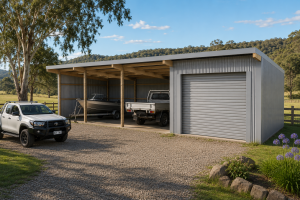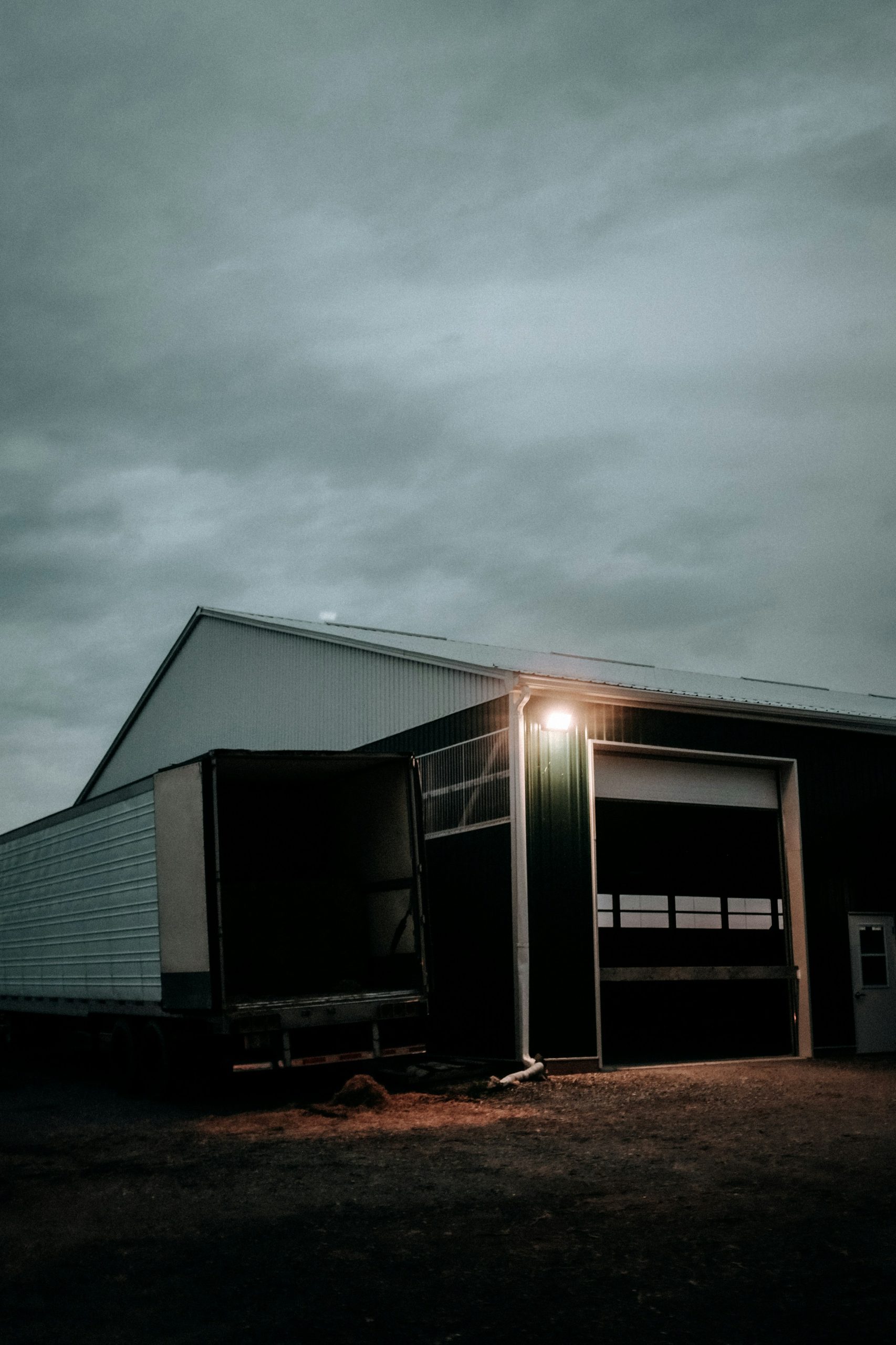
A shed is one of the most useful investments you can make on a rural property, lifestyle block or even a section in town. Whether it’s for vehicles, machinery, storage or a proper workshop, a well-designed shed adds real value and practical space.
Sheds are long-term buildings. Once they’re up, changing structural elements can be difficult and expensive. That’s why experienced shed suppliers like SHEDS4U always recommend planning for both your current needs and future uses
If you’re planning to build a shed here are eight important things to consider before you start:
- Height: Plan ahead
Height is one thing you really want to get right from the beginning.
Even if you’re only storing cars or a ute today, it’s worth considering what might come later – motorhomes, boats, bigger farm machinery or trucks.
A good practice is to make your door openings as big as possible compared to the wall space and then consider upsizing to future proof your investment.
Extra height also opens up options for:
- vehicle hoists
- mezzanine storage floors
- lean-to additions
- larger workshop space
In our experience, most shed owners wish they had more space, not less!
- Depth: Make room to move
The depth needed is often underestimated. A shed that looks spacious on a plan can feel tight once you park vehicles inside and add shelving, tools or a workbench.
For example, a 12-metre shed might sound generous for two vehicles, but once the doors close and you try to move around the space, things can get cramped real fast.
Before finalising your design:
- measure your vehicles
- allow space for benches or storage
- leave room to walk comfortably around them
- remember wall framing reduces internal space
Remember that most shed dimensions refer to the external footprint, not the internal space.
- Design with extending in mind
A lot of customers build their sheds in stages. They might start with a two-bay garage shed or workshop now, then add more bays later as their needs grow.
Designing the shed with expansion in mind makes this much easier. For example, using a clear-span steel rafter on the end wall allows additional bays to be added later without major structural changes.
Planning for this early keeps your options open!
- Doors and windows
Even if you don’t need additional access points right now, it’s smart to think ahead about where doors and windows might go in the future. Then, during the design stage, structural bracing can be placed away from those areas so future openings can be installed easily.
That way, adding another door or window later doesn’t require significant structural changes. Which means you save heaps.
- Choose strong materials
Not all sheds are built the same. While every shed in New Zealand must meet building code requirements, the materials used for framing can vary considerably.
Heavier structural steel rafters with thicker wall sections give you greater durability and long-term performance compared with thinner roll-formed members.
Thicker steel is typically:
- more resistant to dents
- less prone to corrosion over time
- better suited to long-term structural loads
When you’re investing in a permanent building, it’s worth your while to look beyond the initial outlay and consider how well the structure will hold up over the next 20 to 50 years.
- Installing wall and roof wrap
A simple feature that offers a heap of benefits. It creates a moisture barrier between the external cladding and the internal framing, helping to protect the structure and any future lining materials.
It also improves visibility by reflecting natural light inside the shed.
Because wall wrap sits behind the cladding, it’s far easier and much cheaper to install during while you’re building rather than retrofitting later.
- Get your concrete slab right
Your concrete floor is another part of the build that’s difficult to change once it’s poured, and the thickness you require will depend on how you’ll use your shed.
As examples:
- Standard storage or garages may use thinner slabs
- Vehicle hoists often require around 150mm concrete thickness
- Heavy machinery or tractors also benefit from thicker slabs
Some customers choose to pour the entire floor at 150mm thickness to accommodate heavier loads and make allowance for the future. It’s a very good idea!
- Research your site properly
Before committing to a design, it’s worth your while understanding any local factors that could affect the build. These may include:
- District plan zoning
- Building consent requirements
- Possible nearby future developments
- Access and site positioning
Considering these early helps make sure your shed remains practical and adds long-term value to your property.
Planning properly saves you money in the long run
Building a shed is something most folks want to get right first time. Taking a little extra time during the planning stage can make the difference between a shed that simply works today and one that continues to work well for decades.
A well-designed shed will allow for:
- Future vehicles or machinery
- Expansion if needed
- Durable structural materials
- Practical internal space
With the right design choices, your shed can become one of the most useful buildings on your property.
If you’re planning a farm shed, lifestyle block shed, workshop or garage, getting our input based on years of experience early on will help you avoid costly mistakes.
A good design should match:
- your property (all our plans are site-specific)
- how you plan to use the space
- and what you may need in the future.
Talk with our team today about designing a shed that will work for your property long term.