If you’re planning to build a shed, it’s really critical that you understand what your local council needs.
Councils across New Zealand not only have strict regulations designed to protect the environment, maintain community standards, and ensure safety – these can vary from region to region. It’s really important to find out what your council expects before you start pouring a slab because if you don’t tick all the right boxes, you could be looking at delays, additional costs, or in the worst case, a declined application.
We’ll take a look at 5 common hang-ups that can get councils on your case when they’re reviewing shed building projects, from zoning and boundaries to earthworks and natural landscapes restrictions. We’ll also chat about how you can deal with these issues confidently, so your shed gets built with the least delay and the fewest headaches!
Whether you’re building a farm shed, a workshop or storage facility or lifestyle structure, knowing how to work with council can save you heaps of time and help get your building completed faster.
Resource Consent
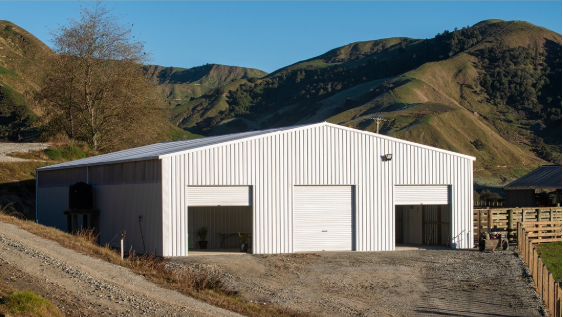
Two words that can strike fear into anyone’s heart, sometimes you may need a resource consent as well as a standard building consent. This is often needed when your shed project impacts the environment or doesn’t fully comply with your district’s rules or the unitary plan. The most common reasons a resource consent might be required are:
Boundaries:
Most councils have rules around how close you can build to a boundary, and they can vary from council to council. Rural zones might require a 10-metre setback, while residential zones often demand 1–3 metres. If your shed is too close, you’ll need resource consent to proceed, or you’ll have to adjust your design. For information on how close you can build to your boundary, visit your local council’s site.

Height:
Councils have limits on how tall a structure can be, especially near boundaries, to protect sunlight access and maintain neighbourhood aesthetics. If your shed’s height exceeds these limits, in overall height or because of roof pitch, consent will be needed.
Colour & Visual Impact:
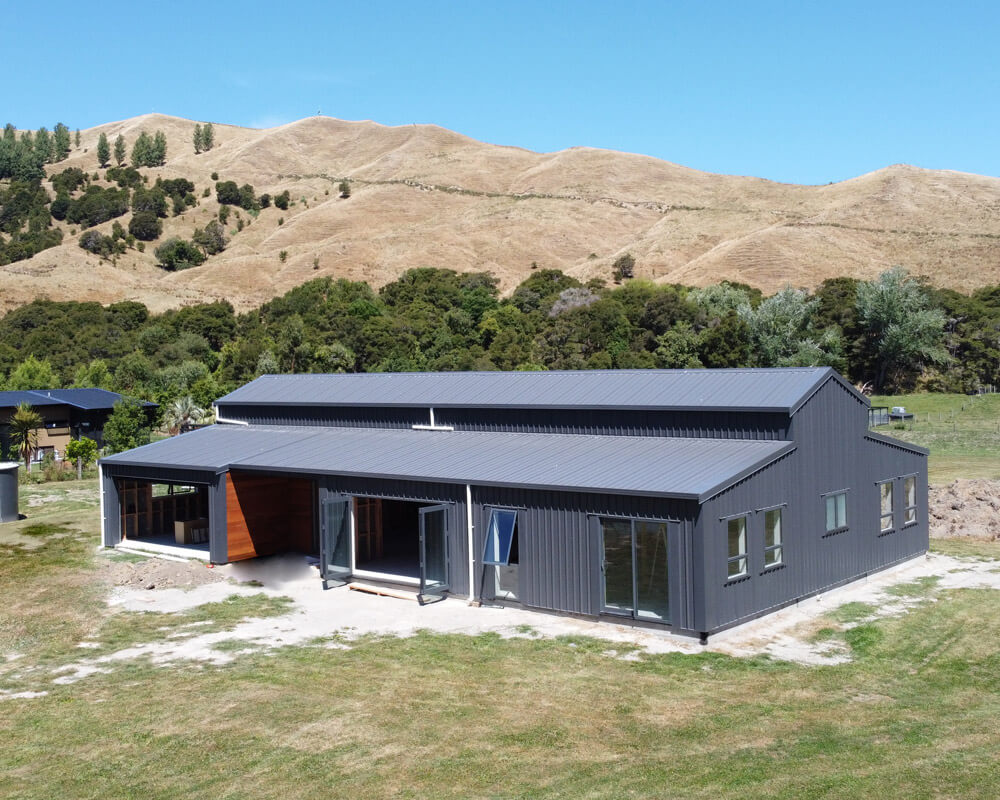
In scenically “sensitive” areas, councils might enforce rules to make new builds blend in environmentally. You might have to use to use non-reflective cladding in darker colours, natural timber tones, or specific roofing materials. This is most common in Central Otago, Queenstown Lakes, and coastal areas.
Flood Zones:
If your site is on a floodplain, you might have to raise your shed’s floor level, have the appropriate drainage designed, or even relocate your shed to a higher area of the site. Councils make use of GIS mapping tools to show flood risk areas, so it’s really worthwhile getting this sorted this early on.
Disposal of stormwater:
Large roofs collect significant rainwater! Your council will want to know how you’ll manage this water to avoid erosion, flooding, or runoff into your neighbour’s section. This may mean soak pits, retention tanks, or directly connecting to existing stormwater infrastructure.
All these issues can usually be managed with the right preparation and advice. It’s important to involve professionals like us (we deal with councils all the time), to help keep your project on track and on budget.

Areas of Natural Beauty
Building a shed in a designated area of outstanding natural beauty, such as Auckland’s Waitākere Ranges for an example, usually involves additional assessment by the council.
The Auckland Unitary Plan requires that developments in these areas must “preserve the natural landscape’s integrity”. This includes attention to visual impact, natural landforms, and surrounding vegetation. Talking with your council early and even consulting with environmental experts will help in creating a shed that meets these strict requirements.
Earthworks
Earthworks such as excavation and modification are controlled to prevent the environment from degrading. In some regions, earthworks can only be carried out at specific times of the year. In Auckland, the designated earthworks season runs from October 1 to April 30. Outside this period, restrictions tighten, especially for larger sites or sites near water bodies.
Your application must include detailed plans, erosion and sediment control measures, and assessments of potential environmental impacts. Adhering to these regulations around the protection of natural resources and compliance with your council’s laws will streamline your building process.

Building on a Site with natural hazards
If your site is prone to hazards like flooding, erosion, or landslides, your council will assess the risks before granting consent. Building on any such site may require additional engineering reports and design modifications to diminish potential danger.
In some cases, the council may impose conditions on the consent or even decline it to ensure safety and compliance with the Building Act 2004.
Compliance
Ensuring your shed complies with every relevant consent is critical. Non-compliance can lead to enforcement actions, fines, or even court orders to remove the structure, so always communicate clearly with your local council!
If you believe a council decision is unjust, you have the right to appeal or lodge a formal complaint, but engaging with your council proactively and maintaining clear communication can often resolve issues before they escalate.
Securing council approval can be one of the more challenging aspects of building a shed, particularly when navigating regional rules or sensitive environments. At SHEDS4U, we’ve been helping customers get their dream sheds for over 20 years and have delivered thousands of kits countrywide.
We’re familiar with different councils and their processes, and we’ve built relationships and systems to help handle compliance requirements more efficiently. Our friendly in-house team understands the process, and how to keep things moving for you. Let’s get your shed underway today!