If you’ve been farming long enough, you know one thing for certain: New Zealand weather doesn’t always play by the rules. One week it’s scorching dry, the next it’s a howling southerly with rain that seems determined to get into every corner of the yard.
When you’ve invested time and money into producing quality hay, leaving it exposed simply isn’t worth the risk. A hay storage shed isn’t just another farm building – it’s one of the best ways to protect one of your farm’s most valuable feed assets.
Why weather is your biggest enemy
Hay might look tough sitting in the paddock, but moisture is its biggest weakness. Rain, humidity and ground moisture can quickly reduce feed quality. Wet hay loses nutritional value, develops mould and, in severe cases, can become unsafe for livestock. Even a few bales damaged by repeated weather exposure soon add up to significant losses over a season.
Keeping hay under cover helps maintain its quality by protecting it from the elements while allowing good airflow to minimise moisture build-up.
The real cost of leaving hay outside
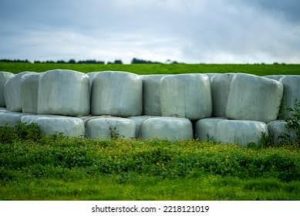
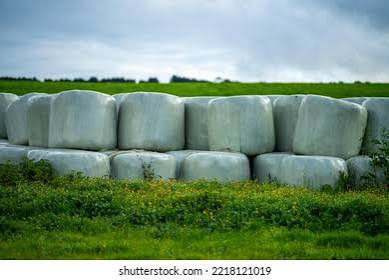
Many farmers stack hay under tarps or simply leave it in the paddock. While that may work in the short term, it’s often a false economy. Outdoor storage can lead to:
- Spoiled outer bales
- Lower feed quality
- Increased waste
- Extra manhours
- Higher replacement costs during winter
When feed prices rise, every bale counts. Protecting what you’ve already produced is far more cost-effective than replacing damaged feed.
SHEDS4U hay sheds for New Zealand farms
Every region has its own challenges. Canterbury deals with strong nor’westers. Waikato and Taranaki see high rainfall. Southland faces long, damp winters. Coastal areas battle salt-laden air, while hill country experiences unpredictable weather throughout the year.
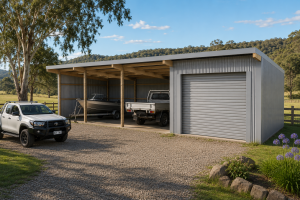
SHEDS4U hay sheds are built to suit New Zealand farming conditions, with features including:
- Strong framing
- Quality 0.40 Zincalume or Coloursteel roofing
- Good natural ventilation
- Easy machinery access for tractors and loaders
- Durable materials designed for long-term farm use
The right shed should suit your property, your operation and your local conditions, while providing reliable protection season after season.
Better access saves time
Anyone who’s moved bales in the rain knows how valuable easy access can be. A practical hay shed allows machinery to load and unload efficiently, helping reduce downtime during busy periods. Good clearance, accessible openings and a sensible layout make handling hay simpler and safer throughout the year.
More than just hay storage
Many farmers soon discover their hay shed becomes one of the hardest-working buildings on the farm. Outside the hay season, it can also be used for storing:
- Silage
- Straw
- Machinery
- Implements
- Fertiliser
- Bulk feed
- General farm supplies
A versatile shed continues delivering value long after the hay has been stacked.
A long-term investment
Farm buildings should provide decades of reliable service. A quality hay shed helps reduce ongoing feed losses, improves day-to-day efficiency and adds practical value to your farm.
It also provides peace of mind, knowing your feed supply is protected regardless of what the weather decides to do. With rising input costs and increasingly unpredictable weather, protecting your hay has never made more sense.
Choosing the right hay shed
Before investing in a new hay shed, consider:
- How many bales you need to store
- Future expansion plans
- Machinery access requirements
- Local wind and weather conditions
- Site drainage
Choosing the right size and layout from the beginning can save money over the life of the building, while allowing room for future growth.
Protecting your hay protects your bottom line
Every bale represents fuel, fertiliser, machinery, labour and valuable time. Losing even a small percentage to weather damage has a direct impact on farm profitability.
A quality hay shed quietly pays for itself over the years by reducing waste, maintaining feed quality and making everyday farm tasks easier.
And when the weather turns – as it inevitably will – you’ll be glad your hay is safely under cover instead of sitting out in the paddock!
Get in touch with SHEDS4U today to discuss a hay storage shed that suits your farm, or to talk to us about any of our other farm building solutions.
Hay Shed FAQs
Why do I need a hay storage shed?
A hay storage shed protects your hay from rain, moisture, UV exposure and wind. Keeping hay dry helps preserve its nutritional value, reduces waste and ensures your livestock have access to quality feed throughout the year.
Does storing hay under cover really save money?
Yes. While a hay shed requires an upfront investment, it can significantly reduce losses caused by weather damage, mould and spoilage. Protecting your hay is often far less expensive than replacing damaged bales, particularly when feed prices are high. Many farmers also use their shed for additional storage throughout the year, increasing its value.
What size hay shed do I need?
The right size depends on the number of round or square bales you store, the machinery you use and your future plans. It’s often worth allowing extra capacity so your shed can accommodate future growth and provide comfortable working space.
Can a hay shed be used for more than hay?
Absolutely. Hay sheds are commonly used to store machinery, silage, straw, fertiliser, bulk feed, implements and a wide range of farm equipment, making them useful throughout the year.
Is ventilation important in a hay shed?
Yes. Good airflow helps reduce condensation and moisture build-up, lowering the risk of mould and spoilage while helping maintain feed quality during long-term storage.
What type of shed is best for New Zealand weather?
A strong, well-built shed designed with quality roofing, durable materials and effective ventilation is ideal for New Zealand’s varied climate. SHEDS4U sheds are designed to suit local wind zones, rainfall, snowfall and site conditions.
Should my hay shed have open or enclosed sides?
That depends on your location and farming operation. Open-sided sheds provide excellent airflow and easy machinery access, while partially enclosed sheds offer greater protection from driving rain and strong winds. Local conditions will usually determine the best option.
Do I need council consent to build a hay shed?
Building consent requirements vary depending on the size, location and intended use of the shed, along with your local council’s rules. It’s always best to check with your local authority before construction begins.
Will a hay shed add value to my farm?
You bet! Practical farm infrastructure improves operational efficiency, reduces ongoing feed losses and makes your property more attractive to future buyers by providing reliable, long-term storage solutions!