Is my site right?
Choosing how much and what kind of land you need for an industrial or commercial building project can be a tricky business because there are so many things to consider. Each business has different requirements and, in our 20 years-plus experience, every site is unique.
If you are planning a new industrial building, whether it’s a warehouse, workshop or factory, a critical thing to get spot-on is selecting the right site.
Commercial or industrial land can be mighty expensive, and your choice of site will either enhance or derail your project. Get it wrong, and your project could be delayed, run over on costs or end up compromised.
At SHEDS4U, we’ve worked with property owners across our country for decades, helping them get the best result from their industrial building projects.
If you’re in the planning phase of a new industrial build project, and in the process of securing land (or have secured land) in Gisborne/Tairāwhiti, the SHEDS4U team is expert at industrial builds and helping you make these complex projects easier to complete. We’ll gladly visit your site, offer expert advice based on years of experience, can help with council and have an ace construction team who can do the build for you.
From warehouses and factories to heavy machinery workshops we can help with the early planning phase of a new building project right through to completed construction to make sure you make the most of your investment!
Our experienced team has put together this guide to simplify the steps towards picking the best site for your commercial or industrial building. Let’s take a look at information you can towards doing due diligence and ask a question or two that might help you think more clearly:
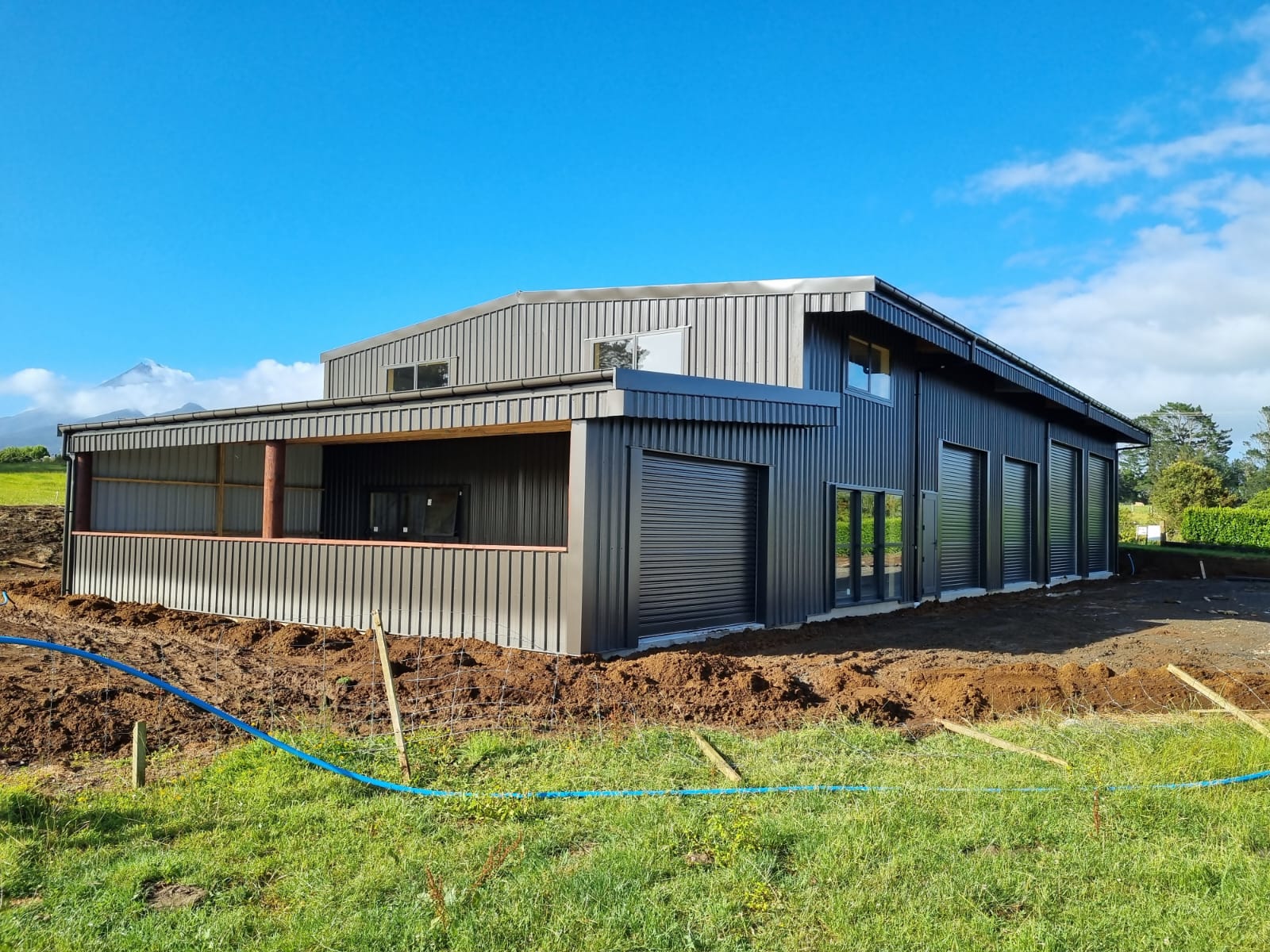
Location
Business owners usually look for a suitable location rather than how to get the biggest return on the property as an investment. Things to think hard about when choosing your site might include:
How close is it to highways and arterial routes?
How close is it to ports, rail, and airports?
Are there skilled people nearby that can be employed?
Are there services and housing for employees?

Planning ahead
When constructing in a new commercial building, you need to take into account whether the completed project will appeal to future buyers. Whether it’s tenants, developers or people wanting to purchase the business, the choices you make now will affect how much you make later.
In addition to what you need, it pays to think about the requirements of future owners. Would the site limit the type of business that could operate from there? A well-built modern building in an easy to reach industrial park may have more appeal more than a rural setting.
Also consider transport routes, because this is likely to be a big drawcard if and when you decide to sell.
Rules & By-Laws
Which zone your land’s in defines what you can do with your site. The rules state which activities are permitted and specify in detail things like how close you can build to your boundary and the height of your building. You can find out about the zoning of your site on the local council’s district plan or LIM report (Land Information Memorandum). Our advice is to always check with your council. They know the rules best!
The zoning of neighbouring properties can also affect your site, and you will need to check which rules take precedence. For example, if a neighbouring property is in a Residential Zone, that may well impact the boundary laws, permissible noise levels and even the hours your business can be open.
Many industrial pieces of land are zoned as General Industrial, which allows a wide range of permitted industrial activity. However, it is important to understand what you can and cannot do on the proposed site, and if any planning rules will hinder your project or operations. Again, this varies from council to council, so make sure to check!
If planning rules will compromise your build or business operations, you can apply for a resource consent to allow you to contravene those rules. You can read more about resource consents here.
You can find out more about zoning rules by looking up the district plan or setting up a meeting with a planner at your local council. In some areas, Industrial Zoned land is hard to come by, and you may be able to purchase land that has been earmarked for industrial/commercial development or rezoning. It is also wise to check on any future proposed land development in the area.
It really pays off to learn all as much as you can about the site you’re looking at purchasing. A LIM report from your local council is highly recommend, as it will help you to find out recorded information like:
- Stormwater and/or sewer drains.
- Heritage NZ protection.
- Protected trees.
- Heritage Buildings.
- Wahi Tapu sites.
- Factors like erosion or flooding.
- Permits, existing Resource Consent Notices, existing building consents, and requisitions such as easements and covenants.
- Zoning Designation.
- Any other information that your local council deems relevant.

LIM Reports
We highly recommend that you consult a conveyancing lawyer before purchasing any property. You can find out more about getting a LIM report here.
It’s really important to find out about easements, covenants, and “no-build” zones that may affect your site, in case you need to remove them. There can be significant delays and costs associated with not doing this.
Resource Management Consent (RMA)
The Resource Management Act is the main law governing how people interact with natural and physical resources. It is managed and implemented by councils with national direction from the Ministry for the Environment.
The RMA regulates land usage and the provision of infrastructure as well as air, soil, freshwater, and coastal marine quality. The primary purpose of the legislation is to promote the sustainable management of resources while taking into account the economic, social, and cultural well-being of present and future generations.
A framework is set out by the RMA that involves the preparation of regional policy statements, regional and district plans. These planning documents set out policies and rules for the use, development, and protection of natural and physical resources in specific areas.
The RMA can affect your land purchasing decision if you need to get resource consent. Getting a R can affect everything from activities inside the building to access ways. Read more about when you may need resource consent in this helpful article.
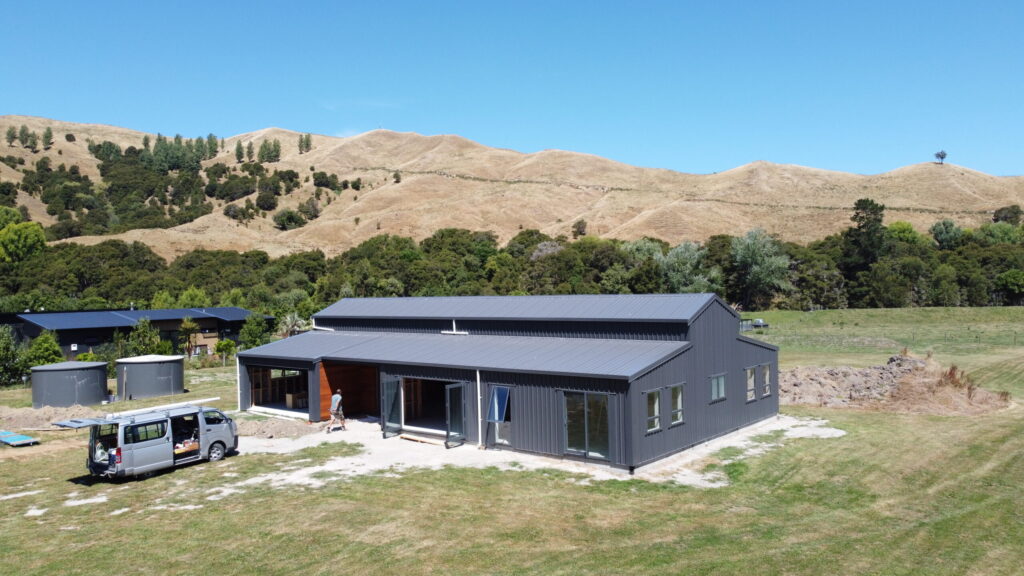
Check the Title
Legal ownership of land is listed on a record of title, which is held electronically by Land Information NZ (LINZ). The title states who the owner of a property is and includes any rights and restrictions relating to the title, like easements and covenants.
An easement grants the right to use the land for a specific purpose and is typically granted to adjoining properties for access rights, water, or drainage access. Councils and utility companies may also be granted an easement to access and maintain equipment, lines, or drains.
Covenants are rules the landowner must abide by, such as restrictions on the size of the building, materials used, and activities permitted on the site. Furthermore, there may also be consent notices on the title issued by the council. These are conditions that must be complied with and relate to issues like building platforms, stormwater management, site coverage, etc.
Toitû Te Whenua – Land Information New Zealand processing times for titles take15 to 22 working days.
Car Parks
In small regional towns with a population of less than 10,000, the council is able to determine the number of car parks your site will need. This is usually calculated using a formula of ‘1x car park per Xm2 of building’.
This can often equate to a significant over allowance for car parking spaces. A 5000m2 distribution warehouse will have far fewer staff compared to a factory or workshop, even though the buildings may be similar in size. If you can’t fit the required number of parks on your site, you may require resource consent to get permission to build with less carparks.
In an urban area with over 10,000 people, the district plans will no longer enforce minimum car parking requirements, the exception being for accessible car parks.
Sites you can’t build on
The Heritage New Zealand Pouhere Taonga Act defines Wahi Tapu sites as places ‘sacred to Māori in the traditional, spiritual, religious, ritual, or mythological sense’. There can be a buffer zone around these sites, meaning that any excavation or works in this zone have to go to Iwi for consultation. Buffer zones can extend across various properties and often people elect to leave these untouched.
Your local district plan will have certain setback requirements from road boundaries and neighbouring properties. This obviously impacts the area that can be constructed on. Always check with your local council.
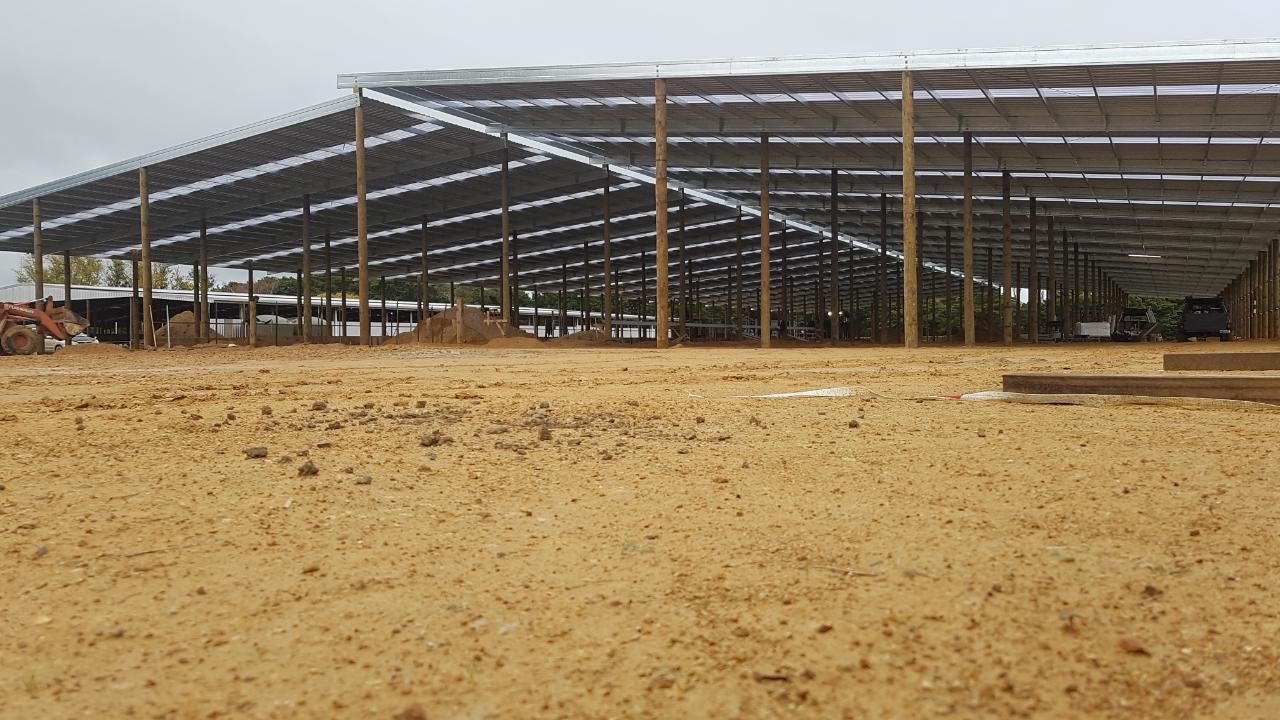
Size of Building v Size of Site
Generally, for industrial warehouses between 2,000 and 5,000m2, building site coverage of 50-60% is nearing maximum site coverage while still allowing for truck access, manoeuvrability, and on-site car parking.
An irregularly shaped site will typically end up with the building taking up a smaller percentage of the site in comparison to a regular-shaped site. It is always more efficient to keep the building footprint rectangular rather than have walls on angles.
Angled walls mean that extra land will be needed to around the building to make the building fit on the site. This wastes space, especially if the site has a tapered corner.
As a lot of council stormwater systems are at already at full capacity, it not unusual for councils to require that all or some of the stormwater in new industrial areas must be disposed of onsite. The design of these systems and the space they need varies depending on the ground type and soakage conditions.
While a flat site often seems best, some slope helps with efficient stormwater and drainage management. Swales can be built at low points but, depending on the slope itself, there can be other factors that come into play.
How much land do I need?
This usually comes down to your specific operational requirements. To decide how big your site should be, consider the following:
- Differences between building in a small regional town and in an urban area.
- Building size vs land area as a percentage
- Other factors that influence the size of your ‘usable site’.
- Areas that are not permitted to be built on.
The impact of the site on costs
There are many reasons why one site might cost more to build on than another. Doing proper due diligence helps ensure that you don’t get any nasty surprises during the building process.
Ground conditions
It’s best practice to get a geotechnical report from an engineer, because this will disclose if there’s soft ground, potential for liquefaction or hidden rock that could impact or slow down the build.
Topography
A sloping site is often costs a lot more to build on. You’re likely to need major earthworks to create a flat building platform, as well as retaining walls. Retaining walls cost even more when they take trafficable vehicle loads and vehicle barriers into consideration. As mentioned earlier, some degree of fall or slope is handy for drainage and stormwater.
Services and Utilities
A property that’s already connected or can easily be connected to water, sewerage, stormwater, power, and internet is ideal. Otherwise, it can be a real pian in the neck to get utilities sorted out.
Access
This needs to be thought about for both construction access as well as property access once the building is complete. If your access is off a state highway, there may be extra requirements to create a pull-off bay and/or traffic management plan for site access during construction.
Fighting fires
If there is not an adequate supply of water to fight fires, you may need to have adequate water storage on site. For industrial builds, these requirements can be far-reaching, and we highly recommend working with an expert on getting consents.
Can’t find the right site?
Thinking outside the square is key here. Look into land adjacent to industrial land. You may be able to get this re-zoned.
Remember that vacant land often isn’t on the open market but may still be up for sale. Ask around. Locals know locals!
A lot of businesses opt for moving further out of the main areas, where there is likely to be development in the future, but sites are more cost-effective now.
If you find land that could be subdivided, it’s critical to work with both a surveyor and property lawyer to make certain this is possible.