Think about this before you build:
For many New Zealanders, particularly those who live rurally, a shed is a serious investment – whether it’s for farm machinery, a workshop, vehicle storage, or light industrial use. And, if you’re not sure where to begin, you’re not alone.
Between building consents, council rules, supply chain delays and financing, there’s a lot more to consider than just picking a size and colour. Doing some homework early can save time, money, and frustration later on. Below are some of the key things worth thinking through before you start your shed build.
Choosing the right site on your property
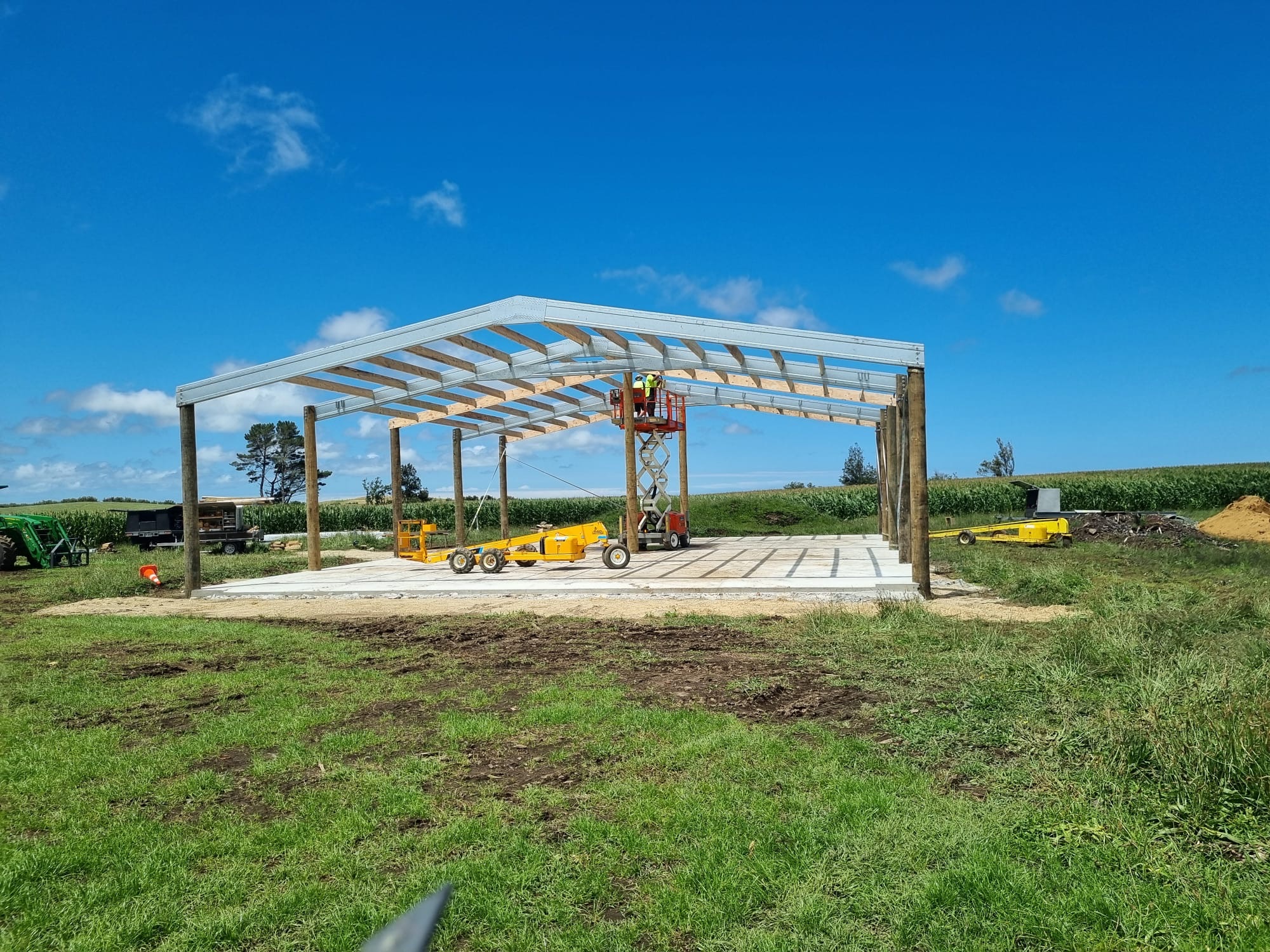
Where you place your shed can make a big difference to how practical it is day to day. Access, ground conditions, and exposure all matter — especially for larger rural sheds.
Ask yourself:
- Is there enough room for trucks, tractors, or machinery to get in and out easily?
- Do you have adequate turning space for trailers or implements?
- Is the site exposed to strong winds, and would door placement help reduce weather issues?
- Are there overhead power lines or underground services that could affect excavation or construction?
A well-chosen site will make the shed easier to use, safer to access, and cheaper to build in the long run.
Getting the size right (including height and doors)
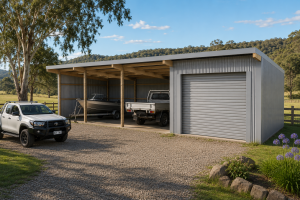
When it comes to bigger sheds, size is about more than just floor area. Height, door width, and door height are just as important — especially if you’re storing modern farm machinery, trucks, boats, or caravans.
Think ahead about:
- The tallest piece of equipment you own (or plan to buy)
- Whether implements will stay attached to tractors
- Door clearance for utes, trucks or machinery with cabs
- Space to open vehicle doors or work comfortably inside
Taking the time to plan this properly upfront can help avoid costly redesigns or “I wish we’d gone bigger” moments later.
Do you need a building consent?
In New Zealand, some smaller sheds can be built without consent — but there are strict criteria. One key threshold is size: any shed over 110m² generally require building consent, and most agricultural or workshop sheds exceed this.
Council requirements can also vary depending on location, zoning and land use. Working with an experienced shed provider like SHEDS4U who understands local councils can make the process far smoother, because we can manage consent applications and respond to council queries on your behalf (for a small fee – get in touch to find out more).
Future-proofing your shed
One of the most common things we hear back from our customers say is that they wish they’d built bigger or added another bay. It pays to think about how your needs might change over time.
Consider things like:
- Will you upgrade machinery, vehicles or equipment in future?
- Might you add a boat, caravan or extra vehicles later on?
- Would an extra bay or lean-to add flexibility?
- Could the shed be designed for year-round use rather than seasonal storage?
Building with the future in mind can save you money long-term and add value to both your shed and your property.
Extra features make a difference
Small details can have a big impact on how usable your shed is. Options like roof skylights, ventilation, rodent protection, and flashings are much easier (and cheaper) to include at the design stage.
Thinking through these extras early helps ensure:
- Better natural light for workshop use
- Improved airflow and moisture control
- Reduced pest issues
- A more accurate and transparent quote
It also avoids the all-too-common “we should have added that” regret later on.
Financing and bank loans
If you’re planning to finance your shed, it’s smart to talk to your bank early. Lending criteria in New Zealand has tightened, and banks now require clear breakdowns of project costs before approving loans.
Having quotes, estimates and a clear scope of work ready can make the approval process smoother and faster. Being organised upfront puts you in a stronger position when it comes time to apply.
Checking Council rules early
Beyond building consent, councils may have additional requirements that affect your shed — including boundary setbacks, height limits, zoning rules, or even colour restrictions.
Checking these details early can prevent delays and redesigns later. Every council is different, so it’s worth confirming what applies to your specific site before finalising your plans.
Do your homework, get a better shed
Building a shed doesn’t have to be overwhelming. Spending time upfront researching your site, size requirements, council rules, and future needs will pay off with a smoother build and a shed that works hard for years to come.
If you’re still in the ideas stage, looking through shed size examples, bay layouts, and colour options can be a great place to start. Our design tool is used by hundreds of people every month to help them envisage their dream shed more clearly – why don’t you give it a go?!?