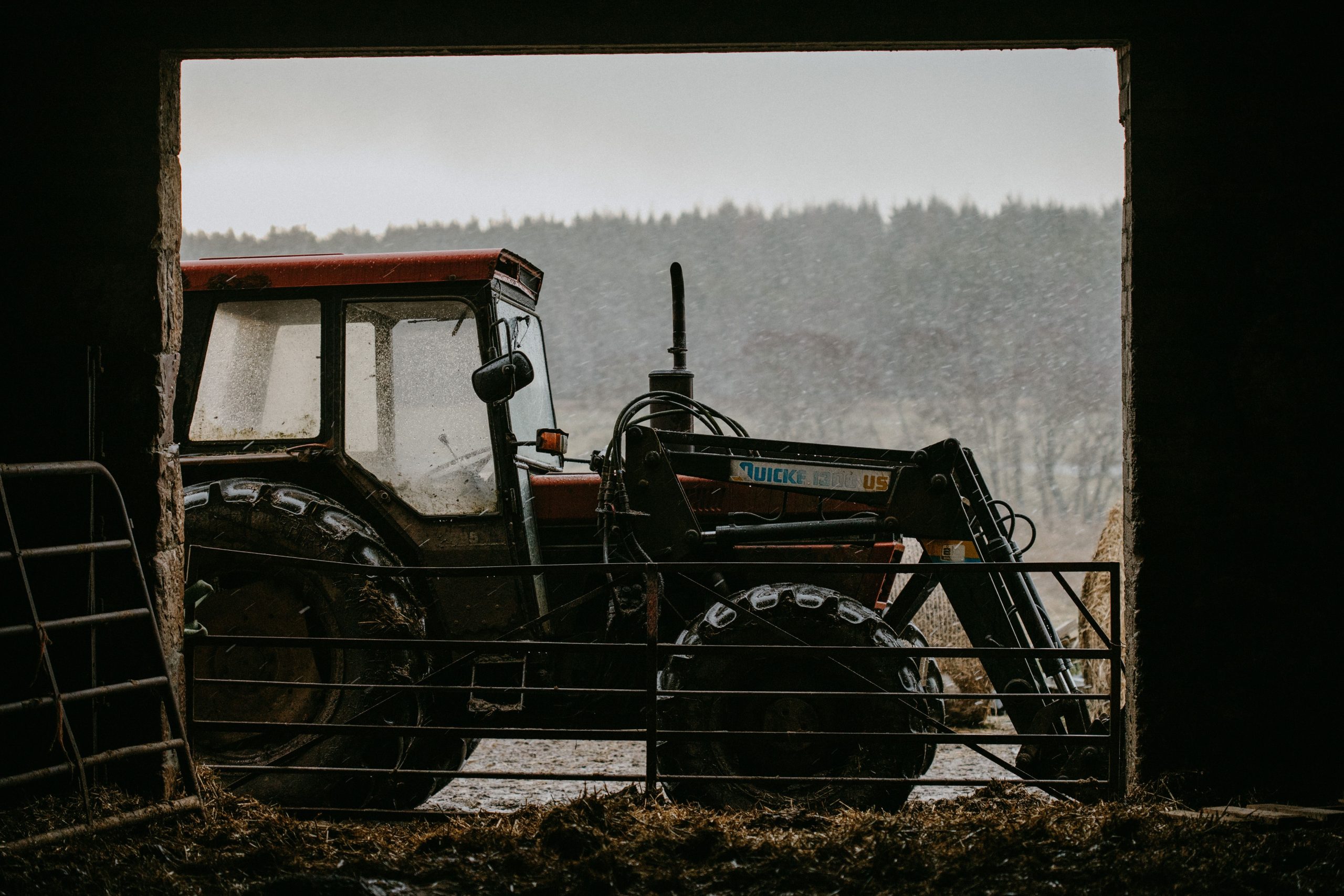
A farm shed is one of those investments you expect to make once and rely on for decades.
It protects machinery, stores feed and supplies, provides workspace and, depending on your business, may house livestock as well. But the conditions your shed faces over the next 20 to 30 years will look quite different from the conditions it was originally designed for and built in.
Across New Zealand, climate projections point to rising temperatures and changes in weather extremes. Depending on where you farm, that could mean heavier downpours, longer dry spells, stronger winds, more hot days or a combination of all of them. The biggest changes are often expected in extreme events rather than average conditions.
So, if you’re building a new shed or thinking about upgrading an existing one, future-proofing should be part of that conversation from day one.
Here’s what to consider:
Start with your site, not the shed
The best shed design on paper will still struggle if it is in the wrong location. Before you start thinking about size, cladding or door options, take a good look at the site and think about:
- Where water naturally flows during heavy rain
- Whether the site has flooded or ponded in the past
- Exposure to prevailing winds
- Nearby hills, gullies or open areas that funnel wind
- Ground conditions and drainage
- Future access for larger machinery
New Zealand’s climate projections vary significantly by region, so a shed design that makes sense in Southland may not be the right answer for Northland, Canterbury or the Bay of Plenty. The Ministry for the Environment’s climate projections map provides regional information on future changes in temperature, rainfall and wind at a detailed level.
The key point: don’t simply build where the old shed was. Ask yourself if that location will still be the smartest place for the next 30 years.
Design for more water
When people talk about climate change, they often think about drought. But in many parts of New Zealand, heavier rainfall events are also becoming an important consideration.
National projections indicate that heavy rainfall is expected to increase across much of the country, while many areas may also experience more dry days. In other words, the future may bring bigger swings between wet and dry conditions.
For your shed, that means thinking beyond the roof.
Consider the whole drainage system
A future-ready shed should have a plan for getting water away quickly and safely. That may include:
- Appropriately sized gutters and downpipes
- Good ground falls away from the shed
- Effective drains and swales where required
- Keeping runoff away from entrances and working areas
- Avoiding low-lying sites where water naturally collects
It’s also worth considering what happens when a genuinely big storm arrives. A drainage system that works perfectly in an average shower may not perform the same way during an intense rainfall event.
Don’t underestimate wind
Wind is nothing new to New Zealand farmers. But site exposure has always mattered, and it is likely to remain a critical factor when planning a shed.
Climate projections indicate that changes in strong winds will vary by region, with some areas potentially seeing increases in extreme wind speeds. That makes it even more important to understand the wind conditions at your specific site.
A building’s wind zone affects the structural design, materials and connections required. New Zealand guidance recognises that wind creates both horizontal pressure and uplift forces, making bracing and structural detailing particularly important.
When planning your shed, think about:
- The wind zone for your property
- Whether the site is exposed or sheltered
- The direction of prevailing and storm winds
- Door placement and how large openings affect the structure
- Strong connections between the roof, walls, framing and foundations
A cheap shed that’s been designed to meet only the minimum requirements for today’s site conditions may not be the best long-term investment. Often spending more on structural strength upfront is considerably cheaper than repairing storm damage later.
Build flexibility into the size and layout
Future-proofing isn’t just about weather. It’s also about how your farming operation could change.
Machinery gets bigger. Storage requirements change. New technology arrives. A shed built solely around today’s tractor may feel cramped sooner than you’d expect.
When planning your layout, ask yourself what might I need this shed to do in 10 or 20 years?
You may not need to build the biggest possible shed immediately. But you can make future expansion easier by considering:
- Clear areas where additional bays could be added
- End walls that could be modified for expansion
- Access routes for larger machinery
- Higher stud heights where appropriate
- Door openings with future equipment in mind
- Space for workshops, storage or farm technology
Avoid boxing yourself into a design that only works for your current operation.
Choose materials that can handle the long haul
Your shed spends every day outside doing its job, so materials matter. Future-proofing means considering durability as well as appearance and upfront cost. Pay proper attention to:
- Roofing and wall cladding suited to your environment
- Corrosion resistance, especially in coastal areas
- Quality fasteners and fixings
- Flashings and weather-tight details
- Protection against moisture and condensation
- Materials that can be repaired or replaced easily
If your farm is near the coast, in a high-rainfall area or exposed to strong winds, those conditions must influence the specification. The cheapest material option isn’t always the cheapest over the life of the shed.
Think seriously about heat and ventilation
New Zealand is projected to experience warmer temperatures and more hot days, with regional differences across the country. That matters if you’re storing machinery, working inside the shed or housing livestock. A hot, poorly ventilated shed can become uncomfortable very quickly and dangerous for stock. Depending on you’ll use your building, think about:
- Natural ventilation
- Ridge or roof ventilation
- The location and size of openings
- Insulation where appropriate
- Shade and orientation
- Condensation management
For livestock sheds in particular, airflow and protection from direct weather exposure become increasingly important as temperature extremes change. A shed doesn’t necessarily need to be fully insulated to perform better. Often, good orientation, ventilation and smart design can make a substantial difference.
Plan for drought as well as downpours
Might sound strange, but preparing for both drought and heavy rain makes sense in New Zealand’s changing climate. Climate projections indicate increases in dry days across much of the country, alongside increases in heavy rainfall extremes, and your shed can play a real role in water management. For example, roof runoff can be captured and stored for:
- Watering stock
- Wash-down use
- Irrigation support
- General farm water storage
The exact setup will depend on your operation and water requirements, but if you’re building a new shed, it is worth thinking about rainwater collection early. Adding tanks and plumbing later is more difficult and expensive if they weren’t considered during the initial design.
Make maintenance easier
A future-proof shed is one you can maintain without too much hassle; small issues become expensive when they’re ignored for years. Design features that make it easier to:
- Inspect gutters and roofing
- Replace damaged cladding
- Check structural connections
- Maintain doors and rollers
- Clear drainage channels
- Access areas where corrosion or wear may develop
A good rule of thumb is: if something will eventually need maintenance, don’t design it so that maintenance becomes a major project. And remember that regular inspections are especially worthwhile after major storms!
Don’t just build to the minimum requirement
Building regulations and consent requirements are important, but meeting the minimum requirement does not necessarily mean you have designed for the challenges the future could bring.
As an example, certain single-storey rural pole sheds and hay barns can qualify as exempt building work under specific conditions, including limits relating to size, height, span and wind exposure. The exemption rules are location and design dependent, so it’s important to check the requirements that apply to your project rather than making assumptions.
More importantly, future-proofing asks a bigger question: If I’m investing in this shed today, what do I want it to still be doing in 2050?
That might mean choosing stronger structural components, improving drainage, allowing for expansion or investing in better materials. The right answer will depend on your site, your region and how you intend to use the shed.
Use local climate information before you commit
One of the best things you can do before finalising a shed design is look at the climate outlook for your specific area.
New Zealand has detailed climate projection information covering variables including temperature, rainfall, drought and wind. The Ministry for the Environment’s climate projections map allows users to explore projected changes by location and scenario.
You don’t need to become a climate scientist to use this information. Just ask yourself some practical questions:
- Could this site face more intense rainfall?
- Is drought likely to become a bigger issue?
- How exposed is the shed to strong winds?
- Will hotter summers affect livestock, machinery or working conditions?
- Should I allow more room for water storage?
- Is the shed likely to need expanding in the future?
The answers should help guide you to better design decisions before any earth is broken…
Think beyond today
Nobody can predict exactly what the weather will do over the next 30 years, but we do know enough to plan smarter.
New Zealand’s climate is changing, and the impacts will vary from region to region. Heavy rainfall, dry spells, warmer temperatures and changing wind patterns are all factors worth considering when investing in long-life farm infrastructure.
A future-proof farm shed doesn’t need all the bells and whistles, it simply needs to be well thought out at the design stage.
Choose the right site. Understand your local conditions. Build with strength and durability in mind. Plan for water. Allow for future expansion. And don’t make decisions based solely on what your farm looked like five years ago.
Because a good farm shed should be ready for whatever comes next. And we’re ready to talk about your next farm shed today – don’t hesitate to get in touch!
Farm Shed FAQs
How long should a farm shed last?
A well-designed and properly maintained farm shed should last for decades. Its lifespan will depend on factors such as material quality, exposure to wind and weather, corrosion risk, structural design and regular maintenance.
Should I build my shed stronger than the minimum requirements?
It’s really worth considering. Minimum requirements are designed to establish a baseline for compliance, while your farm’s specific location, exposure and long-term plans may justify additional strength or durability. Discuss your site with our qualified SHEDS4U inhouse team – their years’ of experience is really helpful!
How can I protect my farm shed from heavy rain?
Start with site selection and drainage. Make sure water flows away from the building, gutters and downpipes are appropriately designed, and runoff has somewhere safe to go. Avoid building in known flood-prone or poorly drained areas where possible.
What is the best orientation for a farm shed?
There’s no single answer. The best orientation depends on your local wind, sun, access requirements, topography and how the shed will be used. Consider prevailing winds and storm exposure before finalising the layout.
Should I collect rainwater from my shed roof?
It’s a useful option, particularly where water storage provides value to your farming operation. If you are considering tanks in the future, planning the gutters, downpipes, tank location and access during the initial design can make installing the system much easier. Which means much cheaper too.
How do I find out what weather changes are projected for my farm?
You can use the Ministry for the Environment’s climate projections map to explore projected changes in temperature, rainfall and wind for different parts of New Zealand. It provides location-based information that can help you make decisions around long-term planning.
Can I expand my farm shed later?
Potentially, but it depends heavily on the original design. If expansion is likely, discuss it with us before construction begins. Planning for future bays, access and structural connections upfront can make later expansion simpler, and again, much more cost-effective.
Do I need a building consent for a farm shed?
That depends on the size, design, location and intended use of the shed. Some rural pole sheds and hay barns may qualify as exempt building work under specific conditions, including requirements relating to wind exposure and other factors. Always check the current rules and discuss your project with your local council before building.


